Aircraft Maintenance Engineering: B1.1 Licence Pathway with optional B2 Extension
Your route to the EASA B1.1 licence, taught in English at an EASA Part-147 Approved Maintenance Training Organisation in Bergamo, Italy.
Successfully completed your O Levels? Then you are ready to start.
You do not need any engineering experience. Anyone who has completed their O Levels can join us, with no need to wait for your A/Ls.
Not sure you qualify? Talk to us. We are happy to go through your results with you. To start, bring your educational certificates.
Who is it for?
For anyone who wants a specialised career as a maintenance technician or mechanic on turbine-engine aeroplanes (Category B1.1), with no previous experience needed. The course content and knowledge levels follow Annex III (Part 66) of Regulation (EU) 1321/2014.
Completing the B1.1 basic course cuts the practical experience needed for the licence from 5 years to 2 years, completed afterwards at a Part-145 or Part-M Subpart F organisation.
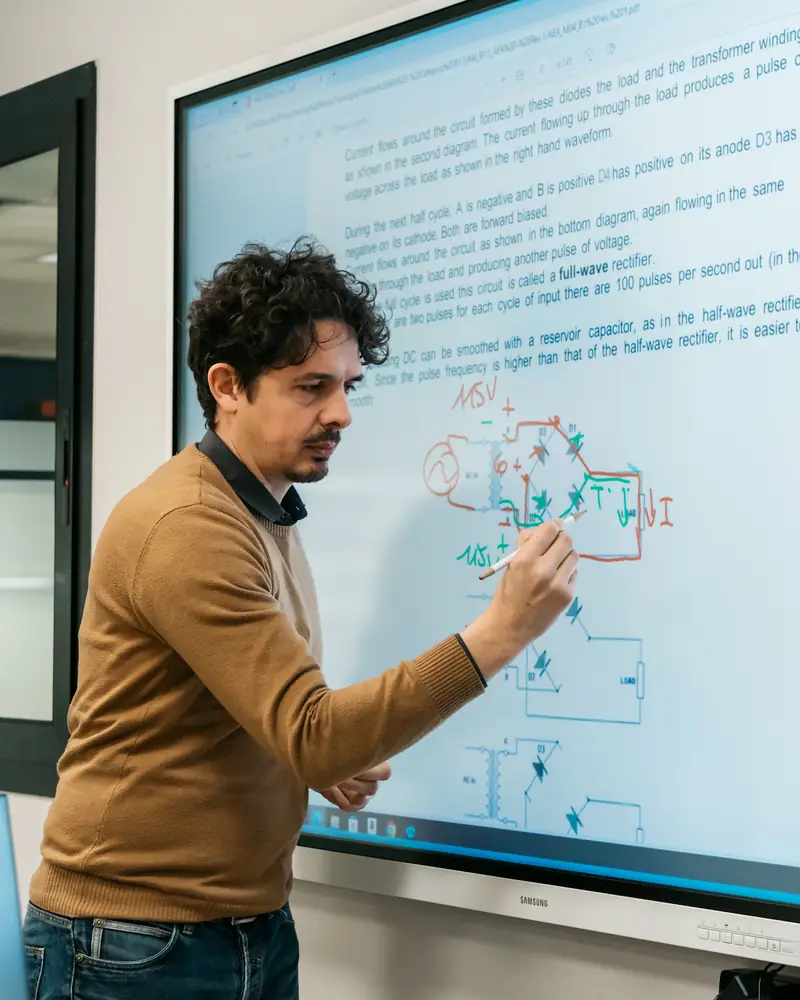
Learn the science in English
Theory is delivered in English with a revision seminar and an exam for each module.
- Exams in English, multiple choice with three answer options
- Pass mark of 75%
- Minimum 90% attendance to sit each exam
- Module M7A also has two open-ended questions
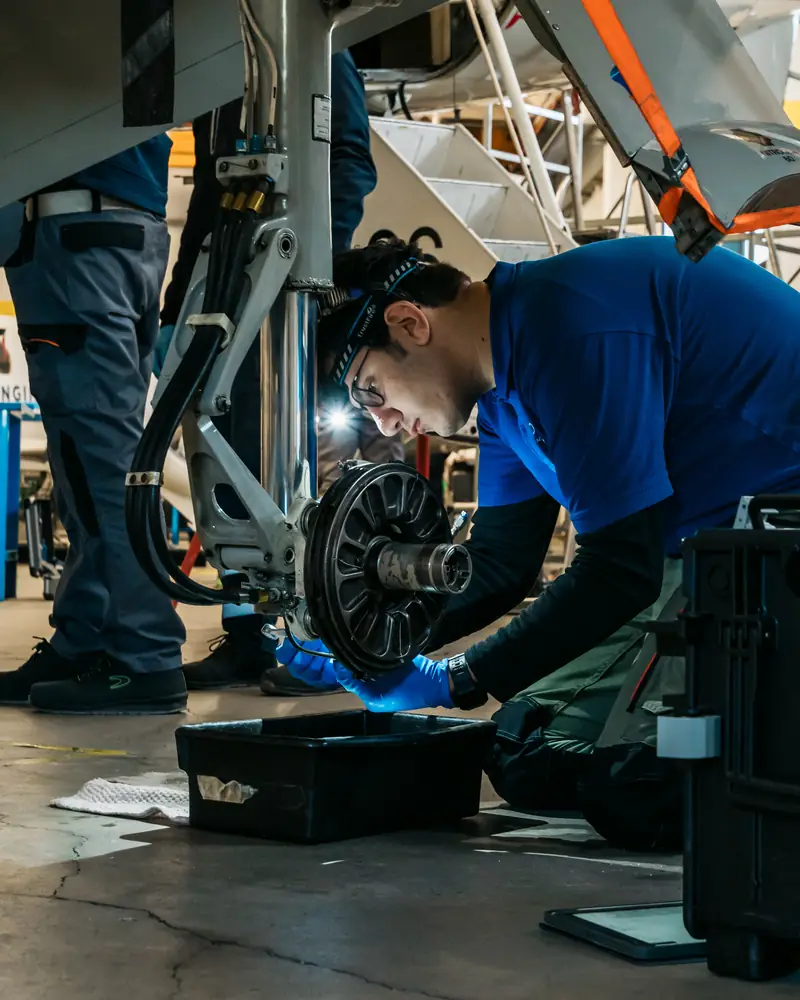
About 1,225 hours on real aircraft
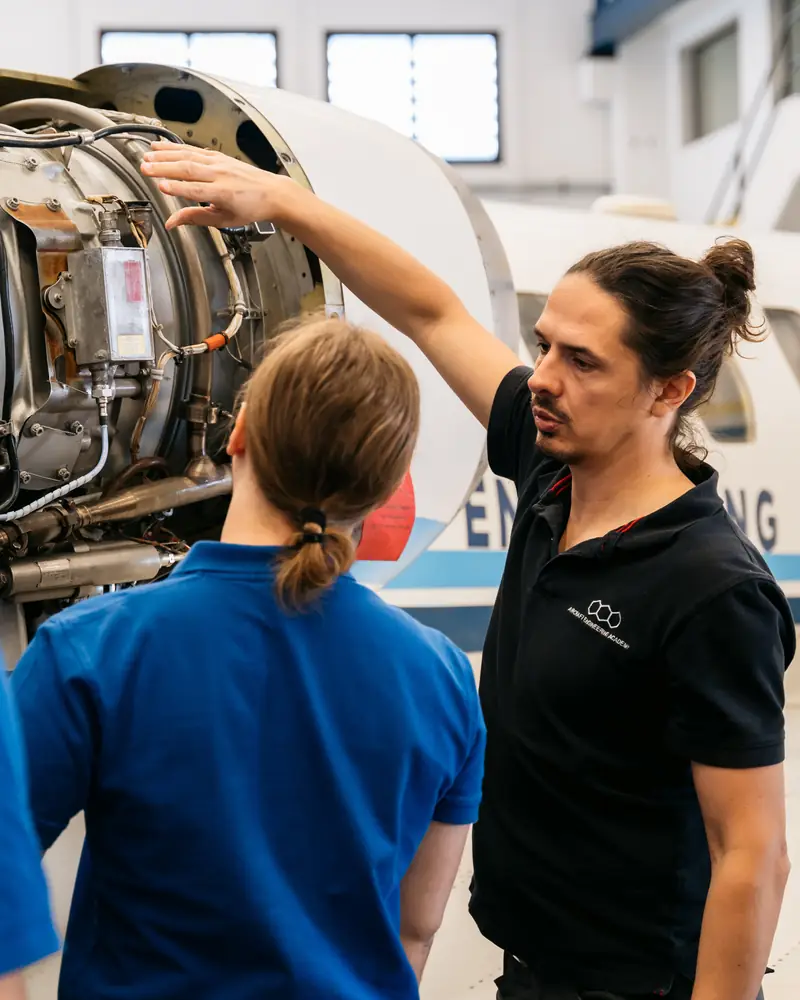
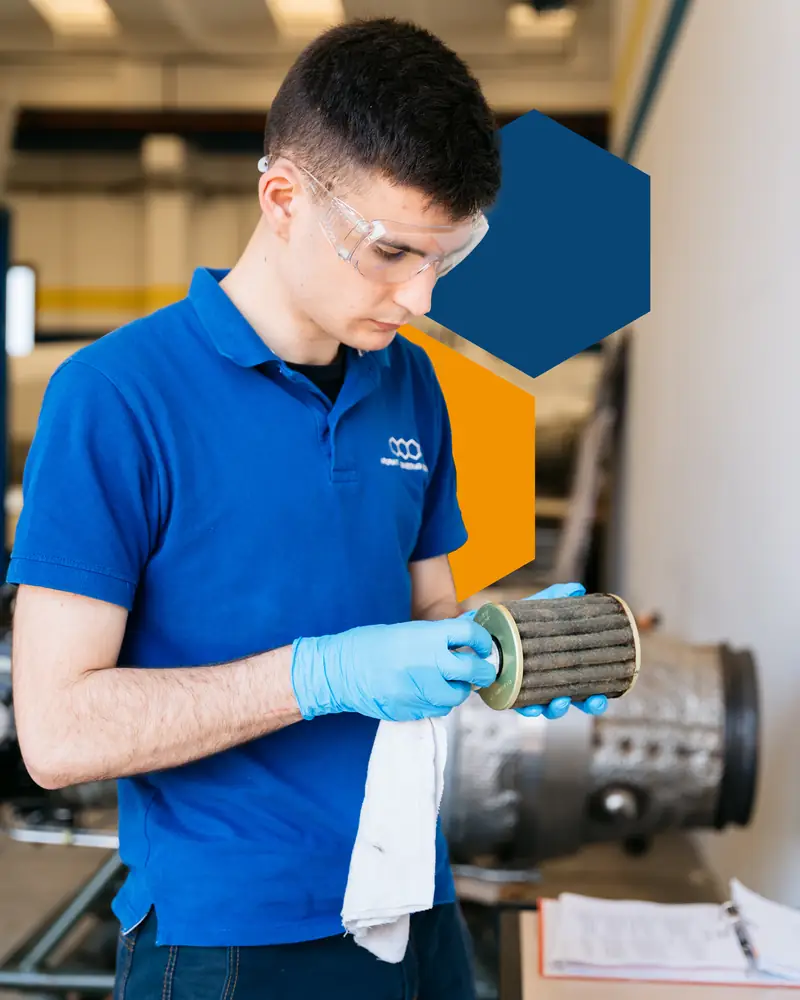
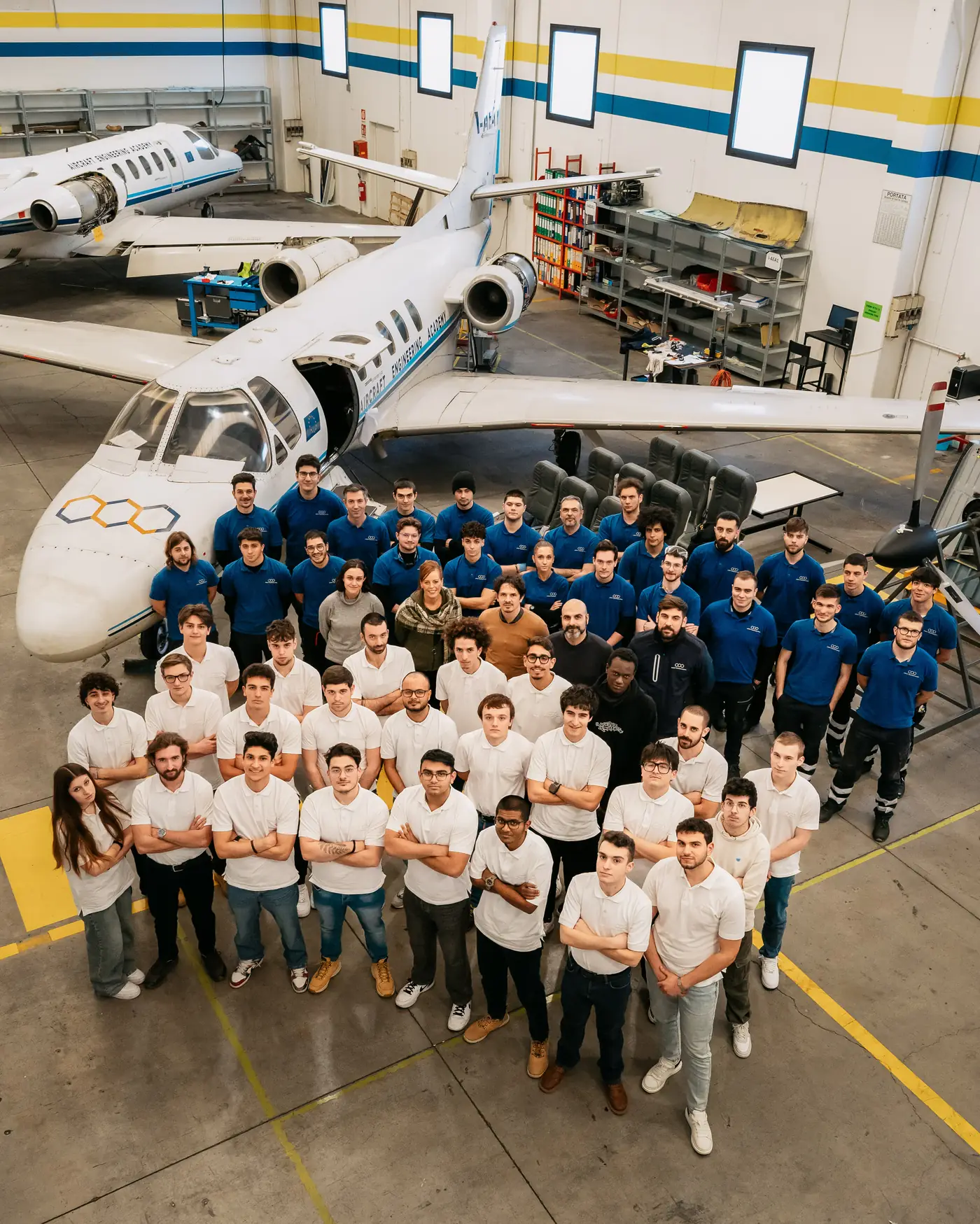
You work directly on aircraft and components, following official maintenance manuals.
- 70% in AEA workshops
- 30% at partner Approved Maintenance Organisations (AMOs)
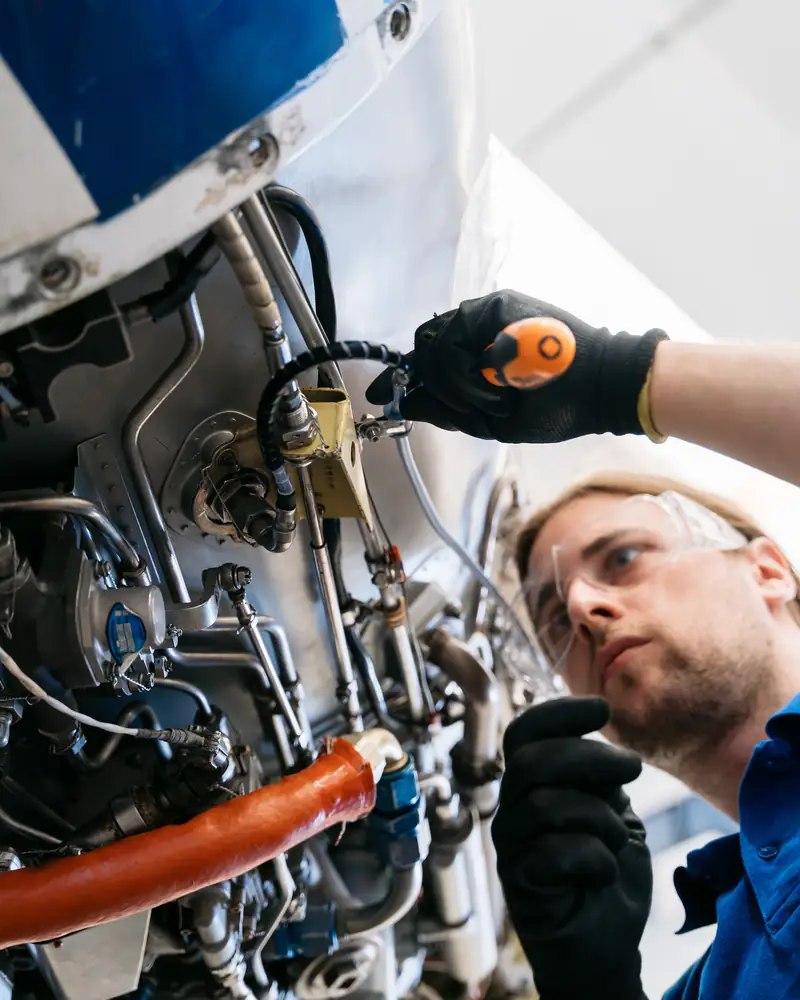
Real engines. Real aircraft. Real hangars.
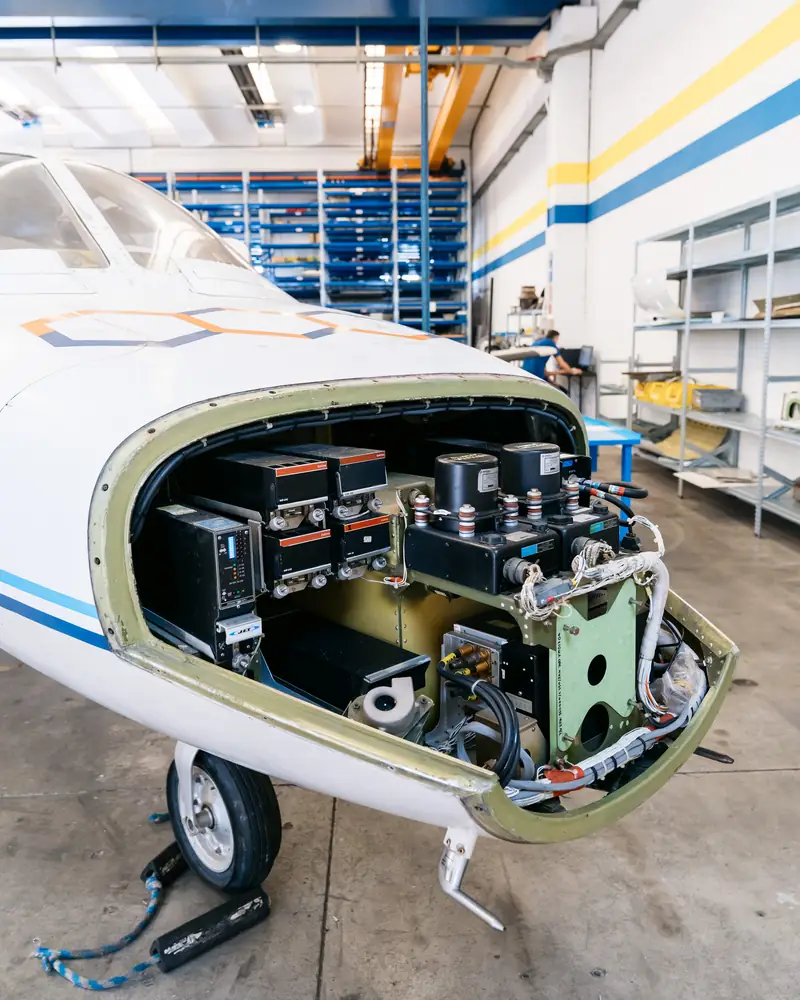
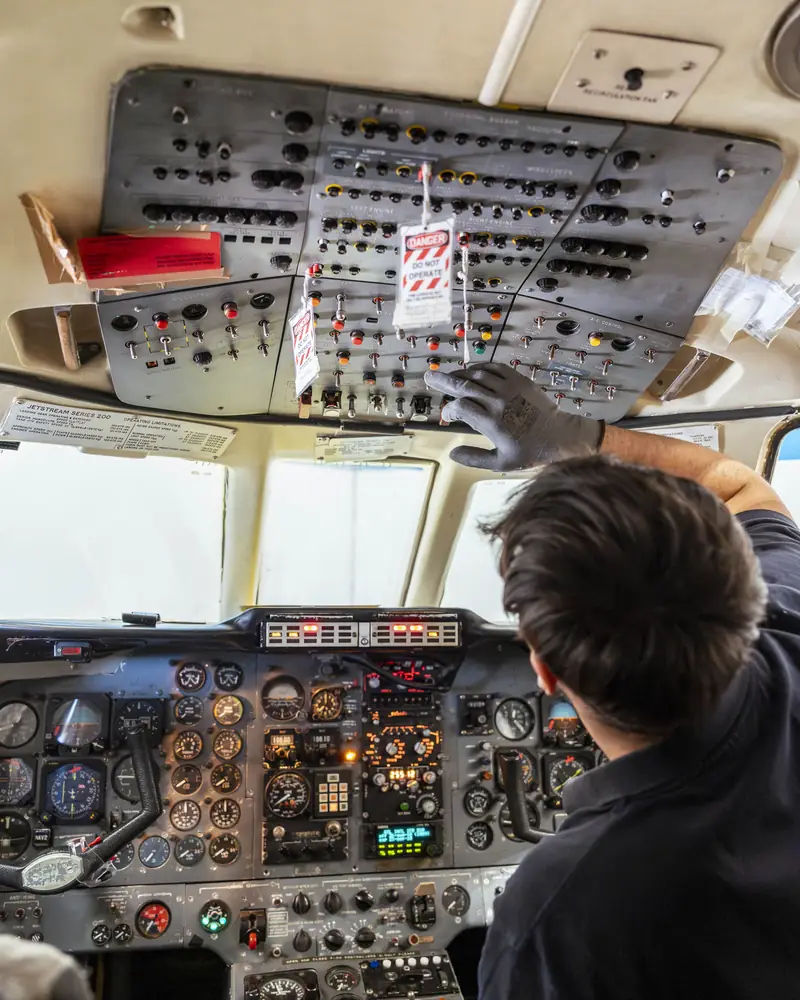
Mechanical B1.1 first.
The Base B1.1 course is the core programme. If you want to widen your qualification, you can add the Avionics B2 extension afterwards.
Mechanical B1.1
Mechanical / Aircraft Engineering for turbine-engine aeroplanes, the jets flown by airlines.
You’ll work on- Jet engines
- Airframe & structures
- Landing gear, hydraulics & fuel systems
- Mechanical & electrical systems
Avionics B2
Want to go further? Enrol in the B2 extension exams after your Base B1.1 course. It means sitting 4 additional exams, which are not included in the Base course fee.
You’ll add- Navigation & radar
- Communication systems
- Cockpit instruments & autopilot
- Electrical power systems
13 EASA Part-66 modules. Tap a segment to explore.
Mathematics
Maths for aircraft work
The maths behind everyday maintenance work: arithmetic, algebra and geometry, used to read drawings, convert units and size parts. The exam is sat without a calculator.
From your first day to your licence
Good to know: the Part-66 Aircraft Maintenance Licence is not automatic when the course ends. It also needs the exams and real work experience, and we guide every student through each step.
- 1Before you fly: free Italian course1 month of free basic Italian language classes, delivered before you leave Sri Lanka.1 month
- 2Theory trainingThe 13 Part-66 modules for B1.1, taught module by module, with a revision seminar and an exam after each one.1,225 hours
- 3Practical trainingHands-on work on aircraft and aeronautical components, following the official maintenance manuals. About 70% takes place in AEA’s workshops and 30% at partner Approved Maintenance Organisations (AMOs).1,225 hours
- 4Certificate of RecognitionAwarded on completing the approved training and exams.Award
- 5Practical experienceCompleted after the course at EASA Part-145 approved maintenance organisations recognised by EASA Member States. The Base B1.1 course reduces the required experience from 5 years to 2 years.2 years
- 6Part-66 Aircraft Maintenance LicenceApply for your licence once training, exams and experience are complete.Licence
- 7Aircraft type trainingSpecialise on aircraft like the Airbus A320, Boeing 737, Boeing 787 or Airbus A350.Specialise
Your certificate, then your licence
Completing the Base B1.1 course reduces the practical experience required for your licence from 5 years to 2 years.
- Pass your exams and trainingComplete the theory exams and the required practical training.
- Final assessmentYou then receive your Certificate of Recognition.
- Apply for your licenceSubmit the certificate with proof of practical experience to apply for the Aircraft Maintenance Licence. In Italy it is issued by ENAC and is valid in all EASA member states.
Climb the ladder
Everyone starts on the first rung. Tap each rung to see how the climb works. Progression depends on experience, qualifications and employer requirements.
Technician
Your first rung
- Work in hangars, on flight lines and in workshops: real aircraft, real tools.
- Check, repair and service aircraft every day.
Where you could work
For relevant aircraft maintenance roles, with higher compensation possible for licensed and experienced engineers. These are market figures, not guaranteed salaries.
Sources: Glassdoor Italy; a Neos licensed-engineer listing. Figures vary by role, licence, experience and aircraft type rating.
Three simple steps to get started
Join a free information session
Message us on WhatsApp to book a place. For students and parents: ask us anything.
Register
Complete your registration form and hand in your educational certificates.
Apply for your visa
We guide you through every step of the Italian student visa application.